Lake-Effect Snow and Municipal Plows: What Buffalo Drivers Should Know About Winter Crash Claims
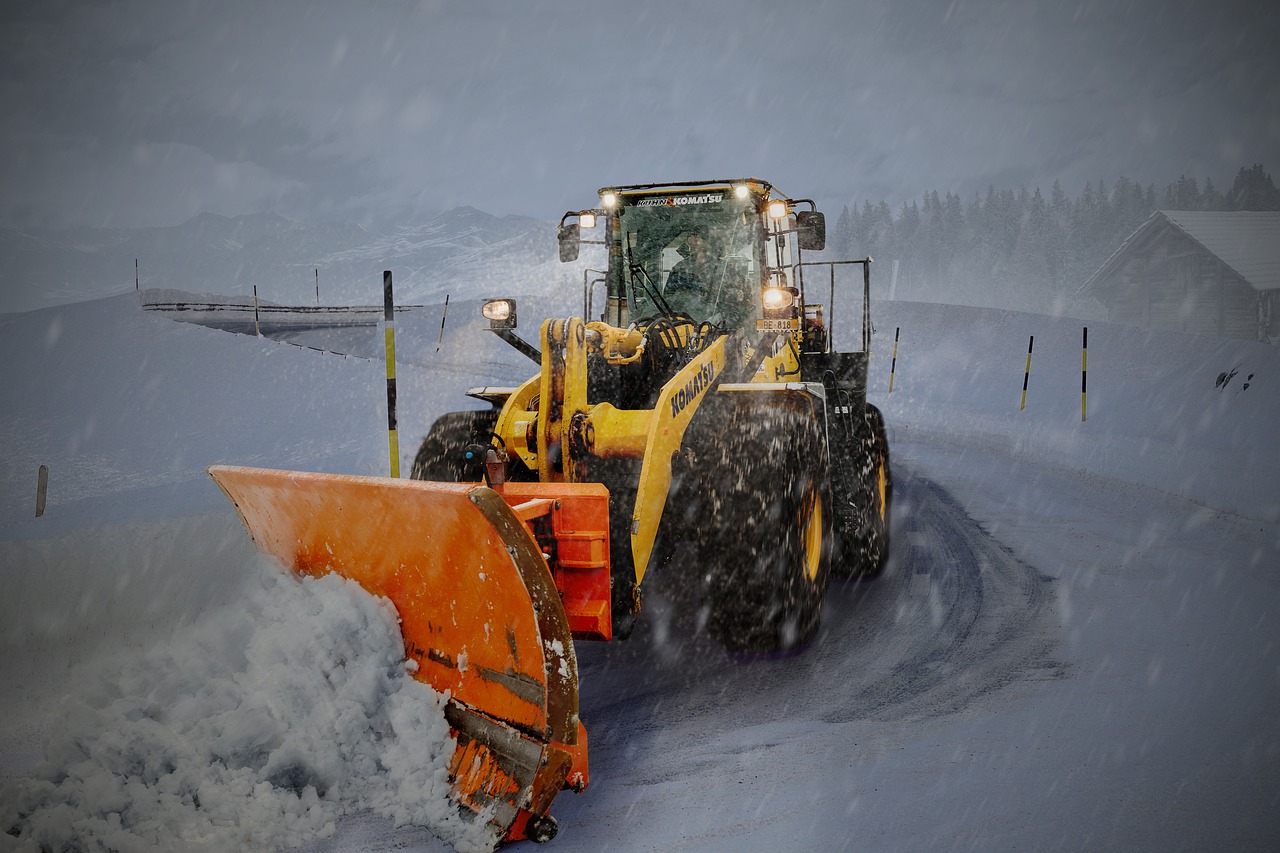
Buffalo drivers know the pattern well. A band of lake-effect snow forms over Lake Erie, visibility drops to almost nothing on the Thruway, and city and county plows head out in force. Winter crashes in Western New York often involve more than two private drivers. Sometimes a plow, a salt truck, or an unplowed public road is part of the story, and that changes the legal rules in ways many people do not expect.
The Duty to Drive for Conditions
New York’s Vehicle and Traffic Law includes a basic speed rule. Under VTL Section 1180, drivers may not travel faster than is reasonable and prudent under the conditions, regardless of the posted limit. During heavy snow, a driver going 45 in a 55 zone can still be driving too fast.
That rule matters after a crash because it is often the starting point for fault arguments. Drivers who slid on ice are frequently judged on whether they slowed down, kept enough distance, and cleared their windows before setting out.
People sorting out a winter collision in Erie County sometimes speak with a Steve Foley Law car accident lawyer or another practitioner, especially when a public vehicle or road condition may be involved.
When a Plow Is Involved
Snowplows and salt trucks operate under special rules. New York law generally protects vehicles actually engaged in work on a highway, such as plowing, from liability for ordinary negligence. In many cases, an injured driver must show that the plow operator acted with reckless disregard for the safety of others, a much higher standard. This protection comes from Section 1103(b) of the Vehicle and Traffic Law, and New York’s highest court has applied it to vehicles engaged in roadwork, not only to plows clearing snow.
Courts look at the specific facts, including whether the plow was actively working at the time, how fast it was moving, and what the operator could see. A plow returning to the garage with its blade raised may be treated differently from one clearing a lane.
Claims Against Cities and Counties
When a government body is involved, a strict procedural rule applies. Under General Municipal Law Section 50-e, an injured person generally must serve a notice of claim within 90 days of the incident. The suit itself generally has to follow within a year and 90 days of the incident. Compare that with the three years most New York injury plaintiffs get.
Many municipalities also have prior written notice laws, which can bar claims about road defects unless the government had written notice of the specific problem beforehand. Snow and ice conditions can raise their own questions about how quickly a road should have been cleared.
No-Fault Still Applies
Even when a plow is involved, New York’s no-fault system usually pays initial medical bills and lost wages through the injured person’s own auto policy. The no-fault application is due fast, usually within 30 days of the crash. Lawsuits for pain and suffering depend on whether the injury meets the state’s legal threshold.
Evidence Fades Quickly in Winter
Snow covers skid marks, plows reshape road surfaces, and conditions change by the hour. Helpful steps include:
- Photographing the road, snowbanks, and vehicles before anything is moved
- Noting any plow or truck numbers and agency markings
- Saving weather alerts and travel advisories from that day
- Getting contact details from anyone who stopped to help
- Ordering the police crash report once it is filed
Thinking About How Claims End
Cases involving municipalities often take longer and involve more procedural steps than ordinary crash claims. Readers can learn more about the difference between a settlement and going to trial and how each option affects timing and risk.
Winter Driving Habits That Help
- Give plows plenty of room and never pass them on the right.
- Brush off the roof and hood and scrape every window.
- Keep a winter kit with a shovel, blanket, and charger.
- Check road closures and travel bans before leaving.
- Wait out the worst bands rather than driving through them.
The Takeaway
Also read: Shared Blame After a South Jersey Crash: How New Jersey’s 50 Percent Rule Works
Winter crashes in Buffalo can involve layers of law that ordinary collisions do not. The basic speed rule, special standards for snowplows, and short municipal deadlines all shape what happens next. Knowing them ahead of the next storm helps drivers protect themselves on the road and afterward.