Reading a South Carolina Crash Report: What Each Section Means for Drivers in Columbia
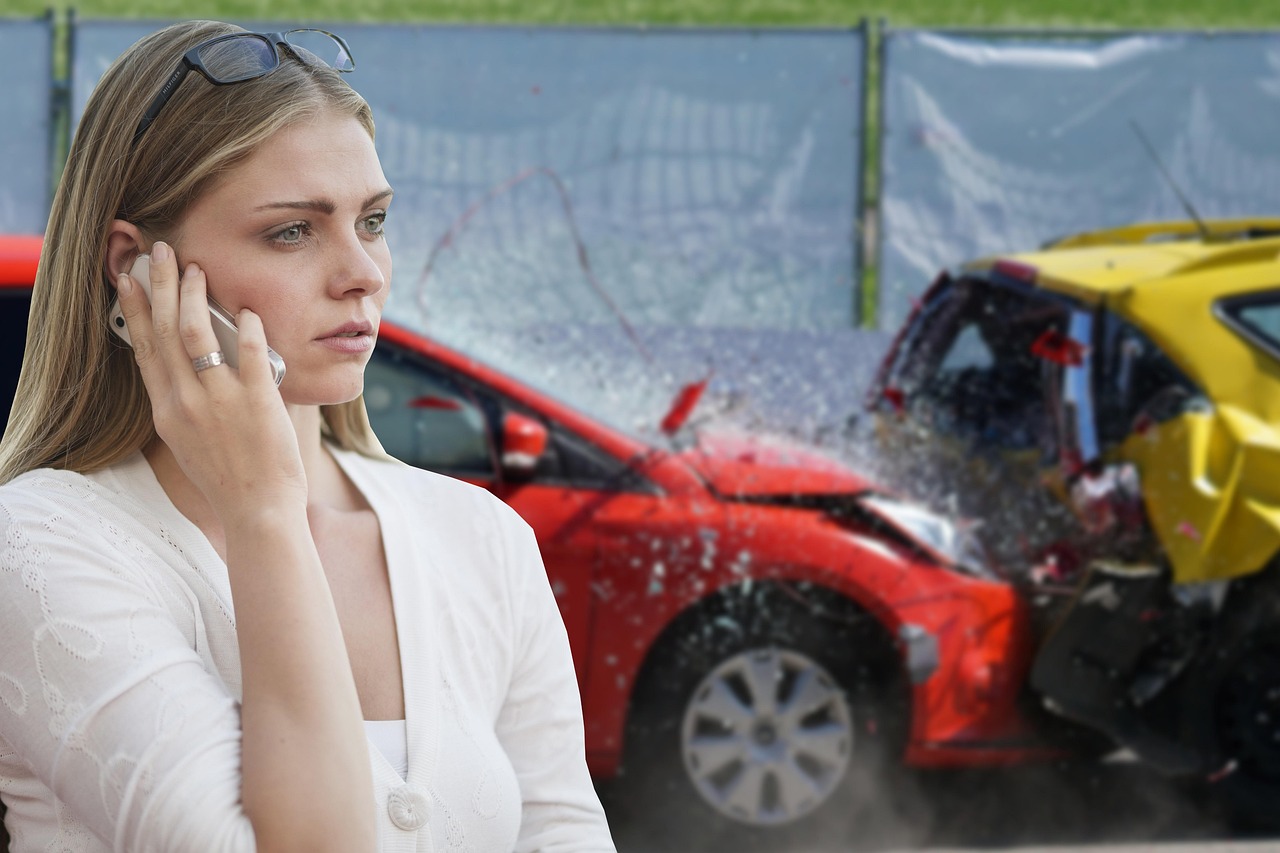
After a collision in South Carolina, the investigating officer usually completes a Traffic Collision Report Form, commonly called the TR-310. Most drivers never look closely at it. Yet that report often becomes the first document an insurance adjuster reads, and it can influence how fault is discussed for months. Knowing how to read it helps drivers catch errors early and understand what the report can and cannot prove.
Getting a Copy
Drivers involved in a crash can request a copy of the collision report through the South Carolina Department of Motor Vehicles, usually after the officer submits it. Officers typically hand drivers a short exchange form at the scene with a report number, insurance details, and the other driver’s information. Keeping that slip makes requesting the full report much easier.
The Basic Information Section
The first part of the report records the date, time, and location of the crash, along with weather, lighting, and road surface conditions. In Columbia, where crashes often happen on busy corridors such as Two Notch Road, Garners Ferry Road, and the interchanges around I-20, I-26, and I-126, the precise location matters. A mistake in direction of travel or lane position can confuse later reconstruction.
Driver, Vehicle, and Occupant Details
This section lists each driver, vehicle, insurance carrier, and passenger. It also notes safety equipment use, such as seat belts and child restraints, and whether airbags deployed. Errors here are common and worth correcting, especially insurance policy numbers and passenger names.
People reviewing a report after a serious crash sometimes ask McWhirter, Bellinger & Associates car accident lawyers or another firm to help interpret entries that seem inconsistent with what they remember.
The Diagram and Narrative
The diagram shows vehicle positions before and after impact, and the narrative summarizes what the officer observed and what drivers and witnesses said. These portions carry weight because they tell a story in plain language. However, officers often arrive after the crash, so the narrative may rely on statements rather than direct observation.
Contributing Factors and Citations
The report includes codes for factors the officer believed contributed to the crash, such as following too closely, failure to yield, or distracted driving. It may also note whether a citation was issued. A citation can be relevant evidence, but it does not settle civil fault on its own. Adjusters and judges weigh everything else too. Traffic court outcomes, such as a dismissed ticket, also do not automatically decide who pays for damages, because civil claims use a different standard of proof and can consider evidence the officer never saw.
South Carolina’s 51 Percent Bar
In South Carolina, a hurt driver can still be paid as long as that driver’s share of blame does not exceed the defendants’ share, with the award cut by the driver’s own percentage. Half the blame still allows a reduced payment, but 51 percent ends the claim. With the line drawn that finely, small details in a report can carry real weight.
Fixing Mistakes in the Report
Officers will not usually rewrite their conclusions, but they may correct factual errors like a wrong license plate or misspelled name. A driver can also submit a written statement to their insurer explaining any disagreement. Photos, dashcam video, and witness contacts help support those corrections.
Filing Deadlines
Under S.C. Code Section 15-3-530, an injury suit in South Carolina generally has to be started within three years. Claims involving government vehicles fall under the South Carolina Tort Claims Act, which has its own rules and limits.
Anyone thinking about pursuing a claim may want to understand the role of a claimant and the responsibilities that come with it, such as providing documentation and responding to requests on time.
A Quick Review Checklist
- Verify every name, address, and policy number.
- Make sure the place, hour, and travel direction are right.
- Hold the sketch up against your own scene photos.
- Flag any witness the officer left out.
- File the report number alongside medical and repair paperwork.
Why the Report Deserves Attention
See more: Claimant Meaning in Lawsuits Claims and Settlements 2026
A crash report is not the final word on fault, but it is often the first. Reading it carefully, correcting factual errors quickly, and pairing it with independent evidence gives drivers a clearer foundation for every conversation that follows.