
Paraquat and Parkinson’s Disease: What the Science, the Regulations, and the Lawsuits Actually Say
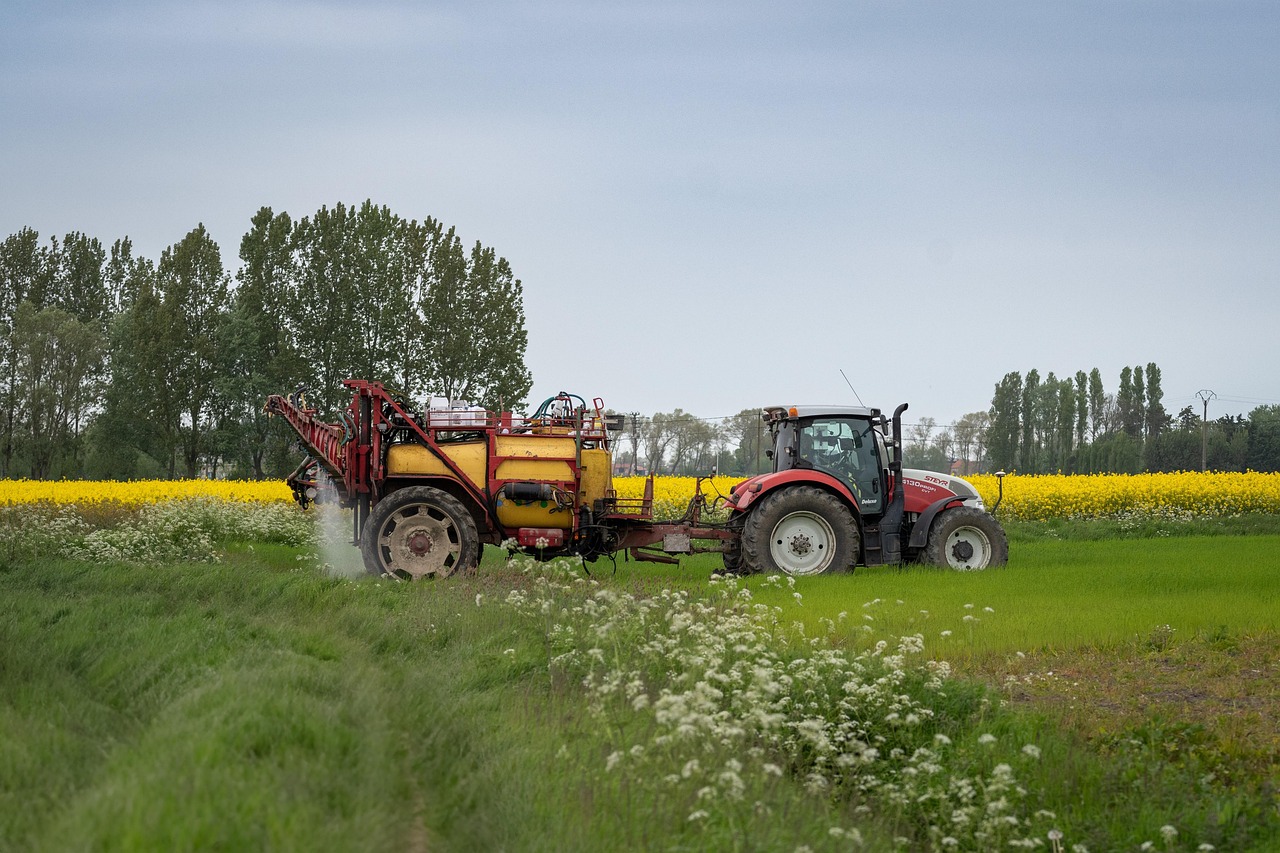
Paraquat dichloride is a common farm weed killer and one of the most tightly controlled. Central Valley orchards and vineyards have used it for decades, and it now sits at the center of thousands of lawsuits claiming a link to Parkinson’s disease.
Separating settled facts from open questions helps farmworkers and rural families read the headlines.
What Paraquat Is and How It Is Used
Paraquat is a fast-acting herbicide used to control weeds and grasses before planting and to dry out certain crops before harvest. It is highly toxic if swallowed; even a small amount can be fatal, and there is no antidote.
The EPA responds to that danger by limiting who may handle it: only certified applicators can buy or spray it, and they must now complete paraquat-specific training under tighter label terms. The EPA’s paraquat dichloride information page summarizes those rules and the agency’s ongoing review of the chemical.
The Parkinson’s Question
Parkinson’s is a progressive brain disorder that erodes movement and balance. Scientists have asked whether years of pesticide contact raise the risk, and paraquat draws scrutiny because of its effects in laboratory studies.
Some epidemiological research has reported higher Parkinson’s rates among people with long-term paraquat exposure, while other studies have found weaker or inconsistent associations. The EPA has stated that the weight of evidence it reviewed did not establish a clear causal link, a conclusion that critics, including some scientists, have challenged. That disagreement sits at the heart of the litigation.
People in the Fresno area with questions about how these claims work sometimes turn to an FHV Law paraquat litigation lawyer or other product liability counsel to review their exposure history.
How the Lawsuits Are Organized
Most federal paraquat cases have been consolidated in a multidistrict litigation, MDL No. 3004, in the Southern District of Illinois, created in 2021. Consolidation allows one judge to manage shared issues like expert testimony and document discovery while individual cases keep their own facts. Related cases have also been filed in state courts, including California.
What Claims Generally Involve
Product liability claims involving paraquat usually rely on a few theories:
- Claims that labels said too little about long-term neurological risk
- Arguments that the formulation itself was unreasonably dangerous
- Allegations of careless testing or promotion by manufacturers
Whatever the theory, a case rises or falls on two things: proof of how often and how closely a person worked with the chemical, and medical records confirming the diagnosis and when it began.
Records That Help Establish Exposure
Exposure in these cases often happened years or even decades ago. Useful records may include:
- Pesticide applicator licenses or certification cards
- Employment records from farms, orchards, or spraying companies
- Purchase receipts or pesticide use reports
- Medical records showing the Parkinson’s diagnosis and its timeline
- Names of coworkers who can confirm how and when the product was used
California collects pesticide use reports from growers and applicators, and those county filings can help rebuild where and when paraquat was sprayed, even decades later, when memories and employer records have faded.
Deadlines Still Apply
Product liability claims carry filing deadlines. California’s general window for injury suits is two years. For an illness that develops slowly, that period may not begin until a person learns, or reasonably could have learned, that a diagnosis might trace back to a chemical. Deciding when that moment arrived is often one of the hardest questions in a paraquat case, since symptoms can appear years before a diagnosis and a diagnosis can come years before anyone suspects a cause.
People unsure whether to pursue a claim may also find it useful to understand what it means to be a claimant in a legal proceeding, including the responsibilities that come with that role.
Practical Safety Reminders
For anyone still working around paraquat:
- Keep it only in its original, labeled container, never a bottle or cup.
- Put on every glove, respirator, and face shield the label lists before mixing.
- Store it under lock where children and uncertified workers cannot reach it.
- Treat any swallowed amount, however small, as a reason to call 911 at once.
The Bottom Line
Also read: Claimant Meaning in Lawsuits Claims and Settlements 2026
The science on paraquat and Parkinson’s remains contested, the regulations remain strict, and the lawsuits are still moving through the courts. Families living with the disease are best served by gathering work and medical records now, noting when symptoms first appeared, and checking court dockets and EPA updates directly rather than relying on advertisements.