How to Be a Good Neighbor Next Door 2026
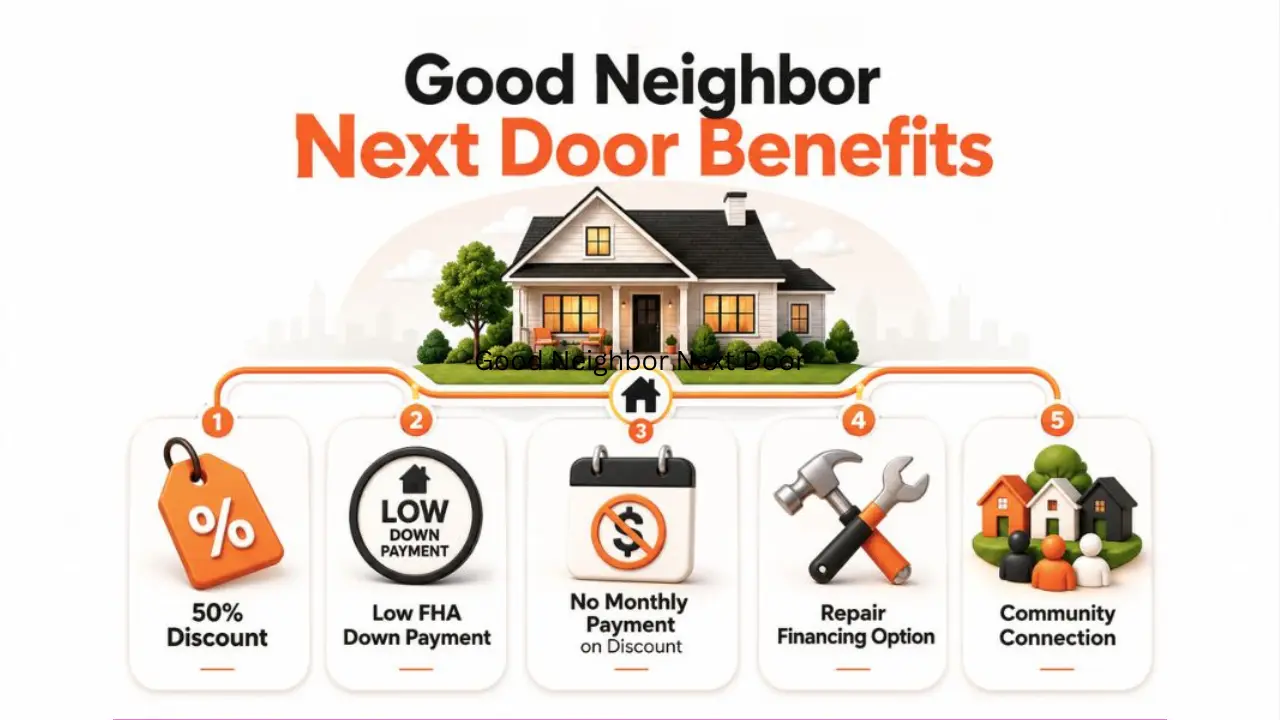
A good neighbor next door makes shared living easier: they respect privacy, keep noise and property issues in check, communicate calmly, and show basic consideration when it matters. It does not mean becoming close friends or being available at all times. It means creating a home environment where both households can feel safe, comfortable, and respected.
Good neighborliness is built through small, consistent choices. A quick introduction, a heads-up about a gathering, or a thoughtful response to a problem can prevent tension before it starts.
What makes someone a Good Neighbor Next Door?
A Good Neighbor Next Door balances friendliness with boundaries. They recognize that nearby homes affect one another, especially where people share walls, driveways, fences, hallways, parking areas, or outdoor spaces.
- Keeping sound, lights, odors, and activity at a reasonable level
- Maintaining your home and outdoor areas so they do not create avoidable problems nearby
- Respecting property lines, parking rules, and shared spaces
- Giving advance notice of unusual disruptions when possible
- Raising concerns politely instead of letting resentment build
- Offering reasonable help in an emergency or difficult moment
Start with a simple, low-pressure introduction
Good Neighbor Next Door, An introduction makes future communication much easier. It can be brief: say hello, share your name, and mention the best way to reach you if an urgent home-related issue comes up. You don’t need to exchange personal details or force a friendship.
If you are moving in, this is also a good time to mention any short-term disruption, such as movers, renovation work, or a delivery that may briefly affect access. Clear expectations show consideration from the beginning.
Share contact details thoughtfully
Good Neighbor Next Door, Some neighbors choose to exchange phone numbers for practical reasons, such as a package left outside, a loose pet, a water leak, or suspicious activity. This can be useful, but it should be optional. If someone prefers not to share a number, respect that choice.
A simple alternative is to agree that either person can knock on the door for urgent concerns during reasonable hours.
Respect quiet, privacy, and personal space
Good Neighbor Next Door, Noise and privacy are among the most common sources of neighborhood friction. What feels normal inside one home can be disruptive next door, particularly at night or early in the morning.
Consider how sound travels through walls, floors, windows, and outdoor areas. Loud music, repeated barking, power tools, car engines, parties, and outdoor conversations can all affect others. Local rules and building policies may set quiet hours, but consideration should not depend only on formal rules.
Practical ways to reduce disturbances
- Keep music, television, and bass lower during evening and early-morning hours.
- Schedule noisy work, such as drilling, mowing, or repairs, for reasonable daytime periods.
- Tell nearby households before a party, gathering, or planned project likely to create extra noise.
- Bring pets indoors or address repeated barking, especially at night.
- Use motion-sensitive or downward-facing outdoor lighting so it does not shine into neighboring windows.
- Avoid looking into windows, entering yards, or using another person’s driveway without permission.
Good Neighbor Next Door, Privacy also includes not assuming access to a neighbor’s time. Frequent unannounced visits, persistent questions, or pressure to socialize can make people uncomfortable. Friendly distance is still respectful.
Take care of the parts of your property that affect others
Good Neighbor Next Door, Homes are separate, but many property issues cross boundaries. Overgrown branches, blocked sidewalks, unsecured trash, standing water, damaged fencing, or vehicles that obstruct access can quickly become shared concerns.
Regular maintenance is not about having a perfect-looking home. It is about addressing conditions that may inconvenience, damage, or endanger nearby people and property. For renters, some responsibilities belong to the landlord or property manager; report problems promptly rather than assuming a neighbor must tolerate them.
Pay attention to boundaries and shared areas
Good Neighbor Next Door, Fences, hedges, driveways, alleyways, apartment corridors, stairwells, and parking areas often create confusion. Do not move, trim, build on, or store items across a property boundary without first discussing it. If the exact line is unclear, avoid assumptions and check available property records or ask the appropriate property owner or manager.
Communicate early and respectfully
Good Neighbor Next Door, Most minor disputes are easier to solve before they become personal. If a neighbor’s behavior is affecting you, speak to them at a calm time and describe the specific issue. A respectful conversation is often more effective than a hostile note, public complaint, or ongoing frustration.
Use clear language focused on the impact rather than assumptions about intent. For example: “The music has been loud after midnight the past few weekends, and it is making it hard for us to sleep. Could you lower it after 10?” This is more likely to lead to a solution than an accusation.
A useful approach to difficult conversations
- Choose a private, non-confrontational moment.
- Describe one specific behavior rather than labeling the person.
- Explain the practical effect on you or your household.
- Make a reasonable request.
- Listen for information you may not know, such as a temporary circumstance.
- Agree on a next step if possible.
Good Neighbor Next Door, Do not approach someone who appears intoxicated, highly angry, or threatening. If there is an immediate safety concern, contact emergency services or the appropriate local authority instead of trying to manage the situation alone.
Offer help without creating obligation
Good Neighbor Next Door, Small acts of help can build trust between neighbors. Bringing in a package during bad weather, alerting someone to an open garage door, checking on an older neighbor during a severe weather event, or lending a basic tool may be welcome gestures.
The key is to offer, not to impose. Help should not become an expectation of access, favors, or repayment. A neighbor may appreciate kindness while still preferring independence and privacy.
Be dependable with pets, visitors, parking, and trash
Good Neighbor Next Door, Some of the most visible signs of consideration involve everyday routines. Pets should be supervised, waste should be cleaned up, visitors should know where they may park, and trash should be contained and put out according to local collection practices.
Parking deserves special care because it affects access and can quickly cause conflict. Avoid blocking driveways, mailboxes, fire hydrants, sidewalks, loading zones, or shared entrances. Do not assume a space is available simply because it is empty; it may be assigned or needed for access.
How to be friendly while keeping healthy boundaries
Being a Good Neighbor Next Door does not require constant interaction. Some households enjoy block gatherings and regular chats. Others value a polite wave and occasional practical communication. Both styles can work well.
A healthy relationship leaves room for different schedules, cultures, family arrangements, work patterns, and comfort levels. Avoid judging a neighbor simply because they are quiet, private, or not interested in socializing. Courtesy is more important than closeness.
| Considerate behavior | Behavior that can feel intrusive |
|---|---|
| Offering help once and accepting the answer | Repeatedly insisting after someone declines |
| Sending a brief message about a practical issue | Contacting someone often for non-urgent matters |
| Talking in shared outdoor areas at an appropriate time | Entering a yard, driveway, or home without permission |
| Checking before borrowing an item | Assuming shared use of tools, bins, or parking |
| Raising a concern directly and calmly | Gossiping or escalating a minor issue publicly |
When a neighbor conflict does not improve
Good Neighbor Next Door, Not every issue is solved by a conversation. Keep a factual record of repeated problems that affect your safety, property, sleep, or access. Include dates, times, what happened, and any steps already taken. Photographs may help document visible property issues when appropriate.
For a rental building, condominium, or homeowners association community, the property manager or association may have procedures for noise, parking, shared-space, or maintenance concerns. In other situations, local government services may handle issues such as unsafe conditions, animal control, or blocked public access. Use the channel that fits the problem and avoid retaliation.
Frequently asked questions
Do I have to be friends with Good Neighbor Next Door?
No. A respectful relationship is enough. Being polite, communicating about practical issues, and honoring boundaries can make you a good neighbor even if you do not socialize.
Should I tell neighbors before having a party?
It is a considerate step when a gathering may create extra noise, traffic, or parking pressure. A simple advance notice and a plan to keep the event under control can prevent unnecessary conflict.
What should I do if a neighbor is noisy?
When it feels safe, start with a calm, specific request at a suitable time. If the problem continues, document the pattern and use the relevant building, association, or local complaint process.
Is it okay to accept packages for a neighbor?
Yes, if you are comfortable doing so and can keep the package secure. Let the neighbor know promptly, and do not open it. It is fine to decline if you will not be home or do not want the responsibility.
How can I set boundaries with an overly friendly neighbor?
Be warm but clear. Limit conversations when needed, decline invitations without lengthy explanations, and state practical limits directly, such as asking them to text before visiting. Consistent, calm boundaries are usually easier to understand than mixed signals.
A good neighborhood starts with everyday respect
Being a good neighbor next door is less about grand gestures than dependable consideration. Respect quiet and privacy, manage the impact of your home and visitors, communicate directly about concerns, and offer help without pressure. These habits make it easier for nearby households to coexist comfortably, whether they become friends or simply remain courteous neighbors.