Colorado Car Crash Claims: The Three-Year Deadline and the 50 Percent Fault Rule
Colorado drivers face a mix of conditions that keep crash numbers high: mountain passes, sudden spring snow, heavy tourist traffic, and fast-growing cities along the Front Range. After a collision, two pieces of state law do most of the work. One controls how long a person has to sue. The other controls what happens when both drivers made mistakes.
Why Crash Cases Get an Extra Year
Colorado normally gives injured people two years to sue, but car and truck collisions are treated differently. The legislature carved out a longer period for harm caused by operating a motor vehicle, so these suits usually have three years.
The bonus year is useful, yet delay still costs something. People forget details, damaged cars are fixed or sent to salvage, and store cameras record over old video within a few weeks. Families in El Paso County who want help sorting this out sometimes contact Heuser & Heuser car accident law firm Colorado or another firm early, simply to learn which deadlines govern their situation.
A different rule governs crashes with public vehicles, like a transit bus or a city maintenance truck. The Colorado Governmental Immunity Act demands a written notice of claim within 182 days after the injury is discovered, and a late notice usually ends the case outright.
Splitting Responsibility Between Drivers
Shared fault is governed by C.R.S. 13-21-111. Under that statute, an injured driver can collect only if that driver’s carelessness was smaller than the defendant’s, and the jury then trims the award by the driver’s own share.
The practical result is a bright line at the halfway mark. A finding of 49 percent still leaves a partial recovery, while an even split leaves the injured driver with nothing. That is why the percentage itself is so often the hardest-fought issue.
A Worked Example
Take a left turn at a Colorado Springs intersection. The oncoming car raced through a yellow, but the turning motorist arguably misread the gap. Jurors could put 70 percent on the speeder and 30 percent on the turner. With $60,000 in losses, the turning driver would then receive $42,000. Had the jury split the blame evenly instead, that same driver would receive nothing, which shows how much rides on a few percentage points.
Who Pays: Colorado’s Fault-Based Insurance
Colorado dropped no-fault insurance years ago, so the careless driver and that driver’s liability carrier normally pay for the harm. Every policy must meet state minimums, and insurers must offer uninsured and underinsured motorist protection, which a customer can turn down only by signing a written rejection. That protection often matters most when the other motorist has thin coverage or none.
Types of Losses
Recoverable losses fall into two groups: out-of-pocket costs like treatment, missed pay, and repairs, and harder-to-price harms like pain and a diminished daily life. Colorado limits the second group in most injury suits, with the ceiling adjusted on a schedule the legislature sets. The out-of-pocket group has no such ceiling, so careful receipts for every bill and missed shift matter.
Proof That Moves the Percentages
- The officer’s report and any tickets written
- Pictures of where the cars ended up and how the pavement looked
- Video from dashboards or signal cameras
- CDOT closure logs and weather data for that day
- Accounts from passengers and bystanders
- Treatment notes tying each injury to the collision
Snow, Ice, and Blame
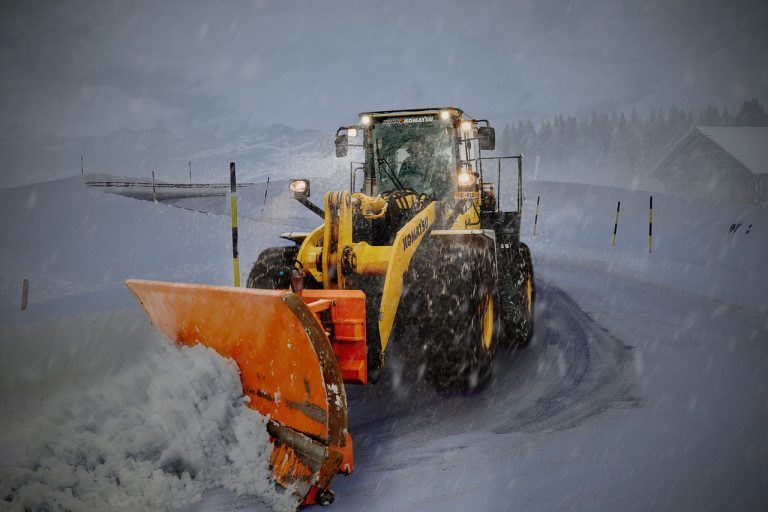
Slick roads are not an automatic excuse. Drivers in Colorado must slow down and leave more room when weather turns, and the state activates traction laws on stretches of I-70 during storms. Ignoring those rules can push more of the blame onto the driver who did.
Thinking About How a Claim Ends
Few crash cases reach a jury, yet the chance that one might shapes every settlement talk. Readers can learn more about the difference between a settlement and going to trial and why each path carries different risks.
Quick Recap
- Vehicle injury suits usually get three years, not two.
- Public vehicle crashes need a written notice in about six months.
- An even split of blame or worse leaves nothing to collect.
- A driver’s own UM and UIM coverage may end up paying the most.
Related: Shared Blame After a South Jersey Crash: How New Jersey’s 50 Percent Rule Works
Learning these rules early lets drivers keep their options open, and gather the right records, while they focus on healing.