What Is the Difference Between a Power of Attorney and a Durable Power of Attorney
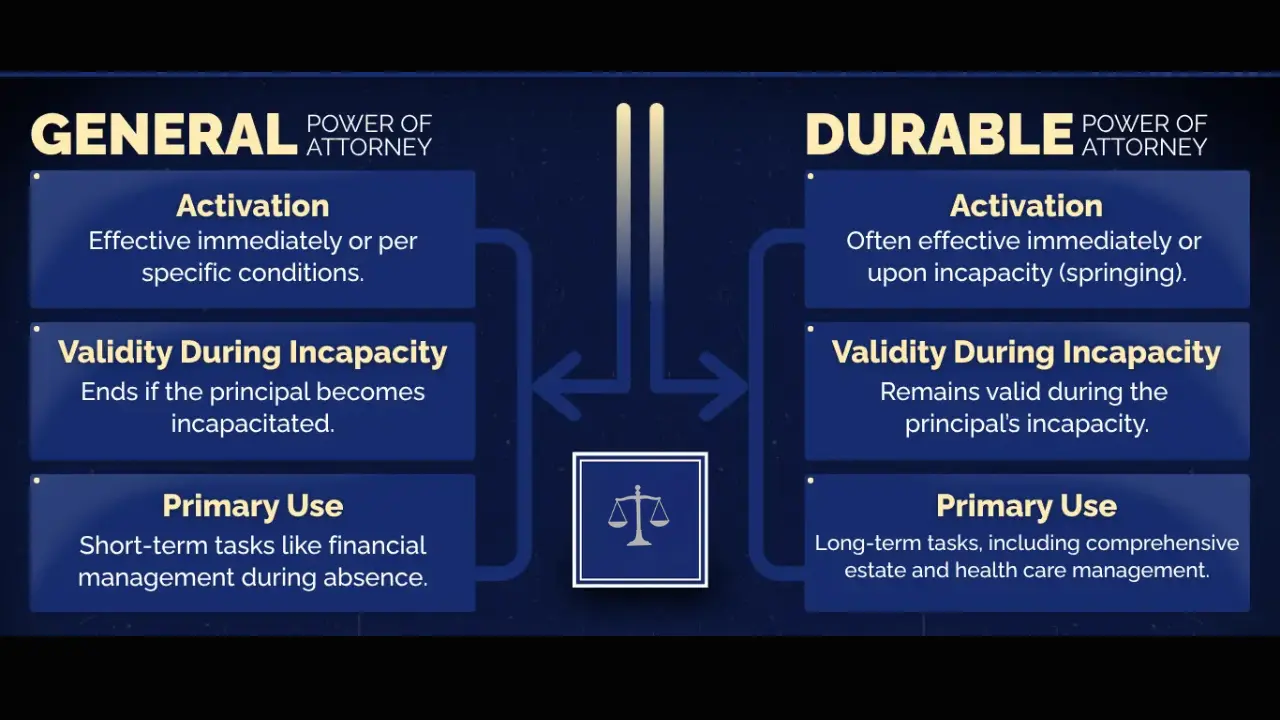
If you are asking what is the difference between a power of attorney and a durable power of attorney is, the main difference is what happens if the person who signed the document becomes incapacitated. A standard, non-durable power of attorney generally ends when the person who gave the authority loses legal capacity. A durable power of attorney is designed to continue despite that incapacity.
This is a general estate-planning and consumer legal-information issue, not a lawsuit, class action, regulatory case, or verified settlement. The exact rules, required wording, signing formalities, and an agent’s duties vary by state. This article explains the core distinction, common types of authority, practical risks, and questions to consider before signing.
What Is the Difference Between a Power of Attorney and a Durable Power of Attorney
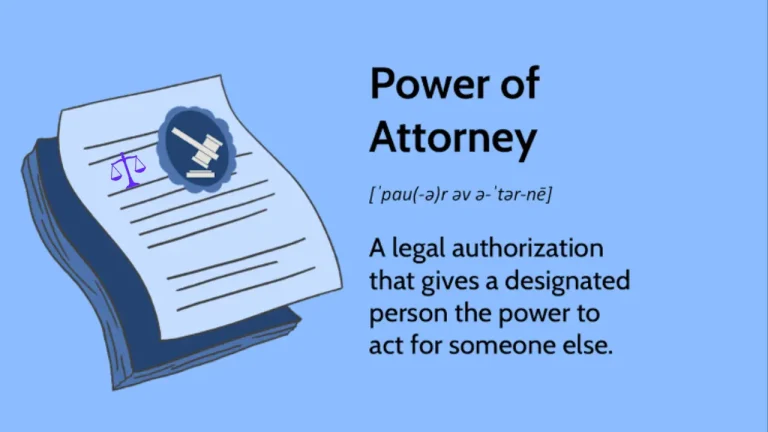
What Is the Difference Between a Power of Attorney and a Durable Power of Attorney, A power of attorney is a legal document that lets one person, called the principal, authorize another person, called an agent or attorney-in-fact, to act on the principal’s behalf. The authority may be broad or limited to particular tasks.
| Feature | Non-Durable Power of Attorney | Durable Power of Attorney |
|---|---|---|
| Purpose | Usually handles a specific transaction or temporary need. | Usually allows financial or property management if the principal cannot act. |
| If the principal becomes incapacitated | Generally ends. | Generally continues. |
| Scope of authority | May be narrow or broad, depending on the document. | May also be narrow or broad; durability does not itself make the authority broader. |
| When it takes effect | Often immediately, unless the document says otherwise. | May be immediate or “springing,” depending on the document and state law. |
| Common use | Closing a real-estate transaction while away, signing documents for a limited matter, or handling a temporary business task. | Paying bills, managing accounts, handling property, and addressing financial matters during incapacity. |
How a Standard Power of Attorney Works
What Is the Difference Between a Power of Attorney and a Durable Power of Attorney, A power of attorney is not a single, uniform form. It is a grant of authority, and the document controls what the agent can do. For example, it may allow an agent to sign closing papers for a property sale, manage a bank account, communicate with a government agency, or handle other financial matters.
How a Durable Power of Attorney Works
What Is the Difference Between a Power of Attorney and a Durable Power of Attorney, A durable power of attorney is generally used for financial and property decisions when a principal may later be unable to manage affairs personally. It can let an agent handle routine obligations, such as paying bills and dealing with financial institutions, without requiring a court-appointed guardian or conservator in some situations.
Immediate vs. Springing Durable Powers of Attorney
What Is the Difference Between a Power of Attorney and a Durable Power of Attorney, A durable power of attorney may take effect as soon as it is signed, or it may become effective later upon a stated event. A document that becomes effective only after a specified event, often incapacity, is commonly called a springing power of attorney.
What Authority Can an Agent Have?
What Is the Difference Between a Power of Attorney and a Durable Power of Attorney, The scope of a power of attorney can range from very limited to broad. A financial power of attorney may address such tasks as:
- Paying bills and taxes;
- Managing bank, investment, or retirement accounts;
- Handling insurance matters and government benefits;
- Buying, selling, leasing, or maintaining property when expressly authorized;
- Operating a business or managing digital financial records; and
- Signing documents and communicating with third parties for authorized transactions.
Financial Power of Attorney Is Different From Health Care Authority
What Is the Difference Between a Power of Attorney and a Durable Power of Attorney, A financial durable power of attorney usually covers money, property, and business matters. It generally does not give an agent authority to make medical decisions.
Health care decisions are commonly handled through a separate document, which may be called a health care power of attorney, medical power of attorney, health care proxy, or advance directive. Names and rules differ by state. A living will is also different: it commonly states treatment preferences in specified end-of-life or serious-health circumstances rather than appointing someone to act.
When Does a Power of Attorney End?
What Is the Difference Between a Power of Attorney and a Durable Power of Attorney, Even a durable power of attorney does not last indefinitely in every circumstance. It commonly ends when the principal dies. After death, an executor or personal representative named through a will or appointed in probate generally handles the estate; an agent’s authority under a power of attorney does not continue.
Choosing an Agent and Reducing the Risk of Misuse
What Is the Difference Between a Power of Attorney and a Durable Power of Attorney, Giving another person authority over finances is significant. A durable power of attorney can be useful, but it can also be misused. The principal should select an agent based on trustworthiness, ability, availability, and willingness to follow instructions—not simply family relationship or convenience.
Signing Requirements Matter
What Is the Difference Between a Power of Attorney and a Durable Power of Attorney, A power of attorney must comply with the law of the state involved. States may require a signature before a notary, witnesses, or both. Rules can also affect whether an electronic signature is allowed and how a document executed in another state is treated.
Is There a Lawsuit, Class Action, or Settlement About This Difference?
What Is the Difference Between a Power of Attorney and a Durable Power of Attorney, No single lawsuit, class action, government investigation, or settlement is inherent in the difference between a power of attorney and a durable power of attorney. This is a general legal distinction that arises in personal planning and in disputes involving a particular document or agent’s conduct.
What Should You Review Before Signing?
What Is the Difference Between a Power of Attorney and a Durable Power of Attorney, Before signing, read the entire document and make sure it matches the intended purpose. Consider discussing these questions with a qualified attorney:
- Who will serve as agent, and who will serve if that person cannot?
- Should the authority be limited, broad, immediate, or effective only upon a stated event?
- Which powers need to be expressly included or excluded?
- What accounting or notice safeguards should apply?
- Does the document meet the signing requirements of the state where it will be used?
- How will the agent, family members, and key financial institutions know where to find it?
Frequently Asked Questions
What Is the Difference Between a Power of Attorney and a Durable Power of Attorney?
Not necessarily. “Durable” means the authority generally continues after the principal becomes incapacitated. The scope of either document depends on its language and state law.
Can a durable power of attorney be used after death?
No. A power of attorney generally ends at the principal’s death. Estate administration is then handled through the authority of an executor, personal representative, trustee, or court-appointed fiduciary, as applicable.
Can an agent under a durable power of attorney make medical decisions?
Usually not under a financial durable power of attorney. Medical authority is commonly created by a separate health care power of attorney or similar state-specific document.
Can the principal revoke a durable power of attorney?
Generally, yes, if the principal has legal capacity to revoke it. The required steps and notice rules vary by state and by the document’s terms.
Does a durable power of attorney let an agent take the principal’s money?
No. The agent does not own the principal’s property and must act within the document’s authority and applicable legal duties. Some powers, such as gifts or self-benefiting transactions, may require specific authorization and can be restricted by state law.
Is a durable power of attorney a class action or settlement issue?
No. A durable power of attorney is a legal-planning document, not a lawsuit or settlement. Individual disputes about a document or an agent’s actions may occur, but they depend on the specific facts and jurisdiction.
Conclusion
The answer to what is the difference between a power of attorney and a durable power of attorney is primarily about incapacity: a non-durable power of attorney generally ends if the principal becomes incapacitated, while a durable power of attorney generally continues. Either document may be limited or broad, and neither automatically covers health care decisions or continues after death.
There is no general class action or settlement tied to this legal distinction. Because powers of attorney can affect finances, property, and personal protection, the document should be tailored to the principal’s goals and comply with the law of the state where it will be used.