
Chobani Lawsuit Claims Class Action and Settlement 2026
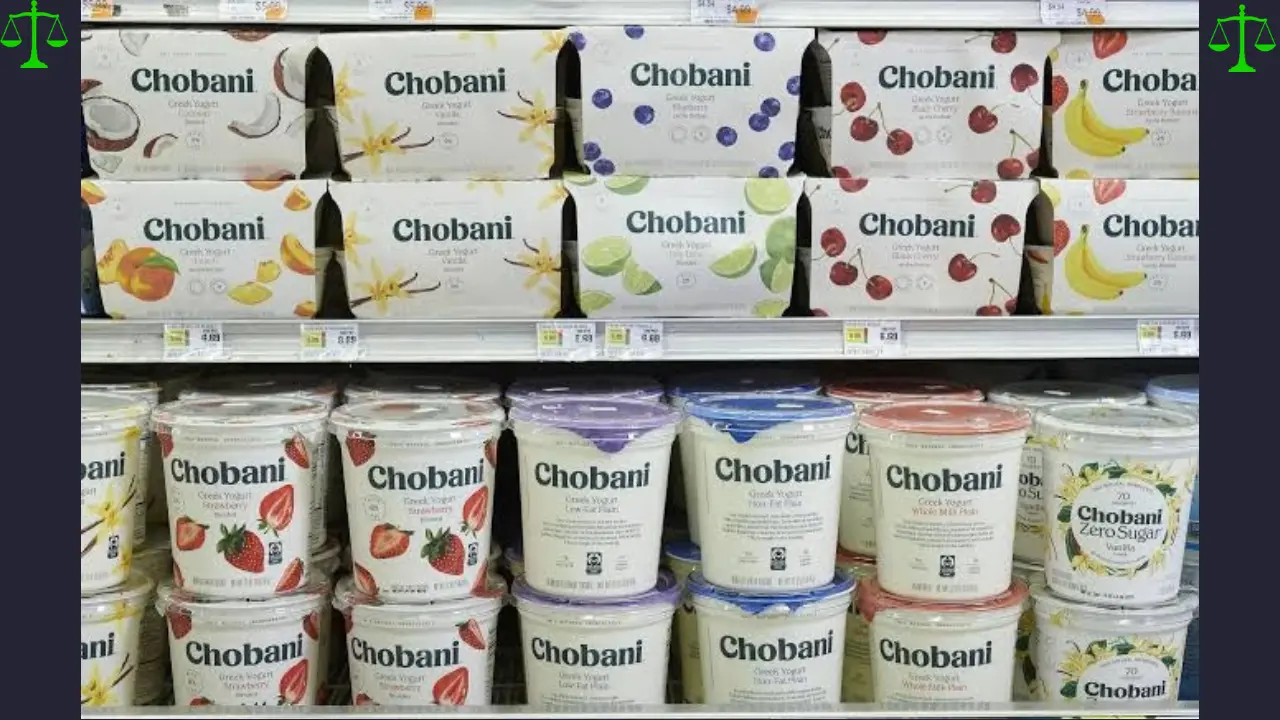
People searching for a Chobani lawsuit may be looking for different legal matters involving Chobani products. One widely reported consumer case was Kane v. Chobani, Inc., a proposed class action in federal court concerning certain yogurt labels, including the use of the term evaporated cane juice and all-natural marketing. That case resulted in a historical settlement, not a finding that Chobani committed wrongdoing. The settlement claims process is no longer current. This article explains what the lawsuit alleged, its class-action status, what the settlement meant, and how consumers can separate verified court matters from unverified online claims.
What is the Chobani Lawsuit?
Chobani Lawsuit is a U.S. food company best known for yogurt products, including Greek yogurt. It sells its products nationwide through grocery stores and other retailers. Like many large consumer-product companies, Chobani has been named in product-labeling and advertising litigation.
A lawsuit involving a food label does not automatically establish that a product was unsafe, mislabeled as a matter of law, or that every purchaser suffered a loss. Consumer cases often turn on what reasonable shoppers understood from specific wording, ingredient descriptions, or package claims.
What Was the Chobani Lawsuit About?
The best-known Chobani consumer-labeling lawsuit was Kane v. Chobani, Inc., filed in the U.S. District Court for the Northern District of California. The complaint challenged aspects of labeling on certain Chobani yogurt products. It was brought as a proposed class action on behalf of purchasers, but the allegations were not court findings of misconduct.
According to the complaint, the plaintiff argued that the phrase evaporated cane juice was misleading because consumers could understand the ingredient differently than ordinary sugar. The lawsuit also challenged certain all-natural representations associated with products that allegedly contained ingredients the plaintiff contended were inconsistent with that claim.
Key Allegations Chobani Lawsuit
Evaporated Cane Juice Labeling
The plaintiff alleged that describing a sweetener as evaporated cane juice could mislead consumers because the ingredient was, in the plaintiff’s view, sugar. At the time, similar terminology was the subject of broader food-labeling litigation and regulatory discussion involving multiple food companies.
The allegation did not itself mean that a court found Chobani’s labeling unlawful. Food-label cases can turn on the exact wording, the products at issue, applicable state law, consumer expectations, and procedural decisions by the court.
All Natural Marketing Claims
The lawsuit also raised allegations about all-natural representations. The plaintiff claimed that some ingredients in certain products made those representations misleading. Claims involving natural labeling are often fact-specific because federal law has not supplied one single comprehensive definition that resolves every advertising dispute.
Is the Chobani Lawsuit a Class Action?
The Kane case was filed as a proposed consumer class action and later resolved through a class settlement process. That does not mean every lawsuit mentioning Chobani is a class action, nor does it mean that every person who has bought a Chobani product is part of a class.
In a class action, one or more named plaintiffs seek to represent other people with similar claims. A court must address whether a class can be certified, or, in a settlement context, whether a proposed settlement class should be approved. The covered products, purchase dates, locations, and label language are defined by the case documents—not by a general description on social media or a law-firm advertisement.
Chobani Lawsuit Timeline and Major Developments
Public court reporting identifies the following basic history for the Kane litigation:
- 2012: The lawsuit was filed in the Northern District of California as Kane v. Chobani, Inc., Case No. 5:12-cv-02425-LHK.
- During the litigation: The parties litigated and negotiated issues involving the challenged product labels and consumer claims.
- 2014: The parties reached a proposed class settlement, which was submitted to the court for approval.
- After court approval: The historical settlement claims process proceeded and later closed.
This limited timeline is intentional. It is better not to state a deadline, payment amount, or purchaser eligibility rule without the official settlement notice and court orders for the specific matter. Older settlement websites and third-party pages may remain online after a deadline has passed.
What Did Chobani Say?
Chobani did not admit liability by resolving the Kane case. Class-action settlements commonly state that a defendant denies wrongdoing or disputes the claims while agreeing to settle to avoid the cost, uncertainty, and distraction of continued litigation. A settlement agreement should not be read as a judicial finding that all allegations were proven.
Was There a Chobani Lawsuit Settlement?
Yes, the Kane labeling case had a historical Chobani Lawsuit settlement, but it is not an open settlement claim process. The settlement resolved disputed consumer-labeling claims associated with the litigation. It did not create a permanent compensation program for all Chobani customers.
Settlement notices typically define the precise products, relevant purchase period, eligible locations, documentation rules, exclusions, deadlines, and any available relief. Those terms are controlling. A person cannot reliably determine eligibility merely by remembering that they purchased yogurt or by finding a general online post about a Chobani settlement.
Current Status of the Chobani Lawsuit
The historical Kane consumer-labeling case is resolved through settlement, and its claims process has closed. It is not a pending opportunity for new claims based on the old allegations.
The search phrase chobani lawsuit can also be used broadly for newer complaints, individual disputes, employment matters, business disputes, or online rumors. A new complaint, if one exists, must be evaluated separately. It may concern different products, dates, legal theories, parties, and procedural status than the Kane case.
What Consumers Should Know
Consumers researching a Chobani-related legal issue should first identify the exact matter. Similar headlines can refer to very different cases, and old articles may be presented online as if they concern an active settlement.
- Keep receipts, order confirmations, product packaging, and relevant advertisements if a current dispute concerns a purchase.
- Check whether a notice identifies a court, case number, settlement administrator, official deadline, and covered products.
- Read the full notice and court documents before submitting a claim or sharing sensitive information.
- Do not assume that a proposed class action has been certified or that a settlement has received final approval.
- Be cautious with advertisements that guarantee payments, request fees, or do not identify a specific court case.
How to Verify Information About a Chobani Legal Claim
For a current lawsuit or settlement, the most dependable records are the relevant court docket, court-approved notices, and official settlement documents. A legitimate settlement notice generally identifies the case title and court and explains whether final approval has occurred.
Government agency websites can also be useful if the issue involves a regulatory action rather than private litigation. Regulatory warnings, recalls, investigations, and consumer class actions are different proceedings. One should not be described as another without verified documentation.
Frequently Asked Questions
What is the Chobani lawsuit about?
The most widely known consumer case, Kane v. Chobani, Inc., involved allegations about certain yogurt labels, including “evaporated cane juice” and “all natural” wording. The allegations were disputed and were resolved through settlement.
Was the Chobani lawsuit a class action?
The Kane case was brought as a proposed consumer class action and resolved through a class settlement process. That status applies to that historical case, not automatically to every legal dispute involving Chobani.
Did Chobani admit wrongdoing in the settlement?
No admission of wrongdoing should be inferred from the settlement. Settlements commonly resolve disputed claims without a defendant admitting liability or a court deciding that the allegations were proven.
Can consumers still file a claim in the old Chobani settlement?
No. The historical claims process connected to the Kane settlement has closed. Consumers should not rely on old webpages or social-media posts as evidence of an active deadline.
Does the lawsuit mean Chobani products were unsafe?
No. The Kane case involved labeling and advertising allegations. It was not a court finding that the products were unsafe or defective.
How can I verify a newer Chobani lawsuit or settlement?
Look for the full case name, court, case number, filing date, and recent official court documents. For a settlement, verify the court-approved notice and the settlement administrator before providing information or submitting a claim.
Conclusion
The historical Chobani lawsuit most often associated with consumer searches is the Kane labeling class action, which challenged particular marketing terms on certain yogurt products. Those were allegations, not findings of wrongdoing, and the dispute was resolved through a settlement without an admission of liability. The settlement claims process is closed. Anyone researching a newer Chobani-related claim should verify the exact case through official court or settlement materials rather than assuming that older litigation creates a current right to payment.